


Essential Safety Mechanism Against Explosion
All lead-acid batteries generate highly flammable hydrogen and oxygen gas during charging. The recombination system, whether a catalytic vent cap on a flooded battery or the internal recombination cycle in a VRLA battery, is the primary mechanism for safety. It rapidly converts these explosive gases back into water, drastically reducing gas emission into the environment and preventing dangerous pressure buildup that could lead to cell rupture or explosion.
Preservation of Water and Electrolyte Life
Water loss (gassing) is the main factor limiting the lifespan and increasing the maintenance of any lead-acid battery. Recombination technology directly addresses this by recycling the hydrogen and oxygen back into water.
- In VRLA Batteries: This process is vital to their "maintenance-free" designation, ensuring the cell does not dry out over its life.
- In Flooded Batteries: Using a catalytic vent cap significantly extends the time between required water additions, reducing routine maintenance costs and preventing premature failure due to exposed plates.
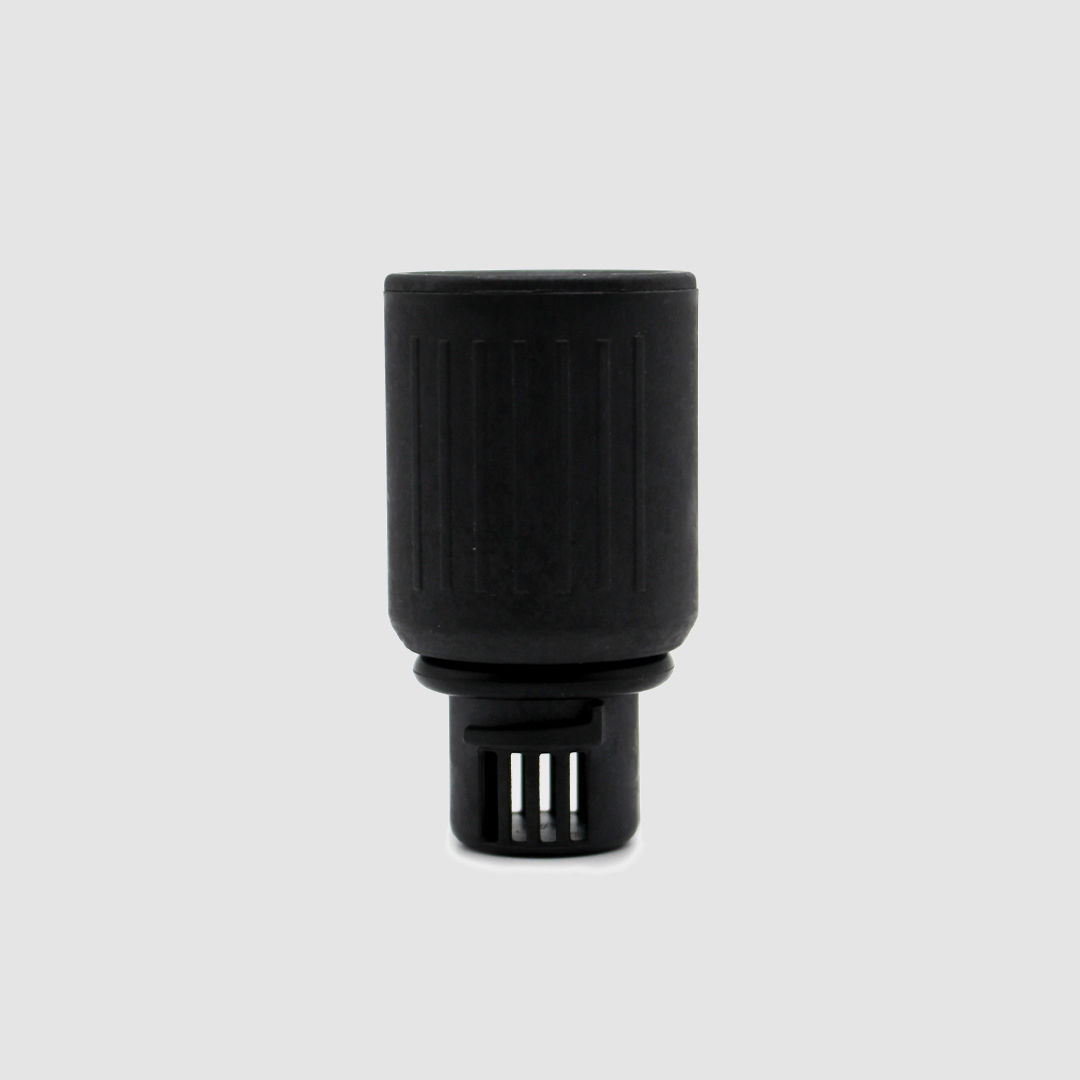
CatVent Catalyst
A catalytic recombination vent designed explicitly for flooded/vented cells in stationary battery applications. It efficiently recombines hydrogen and oxygen back into water before it leaves the cell.
Battery Technology:  Flooded / Vented Battery
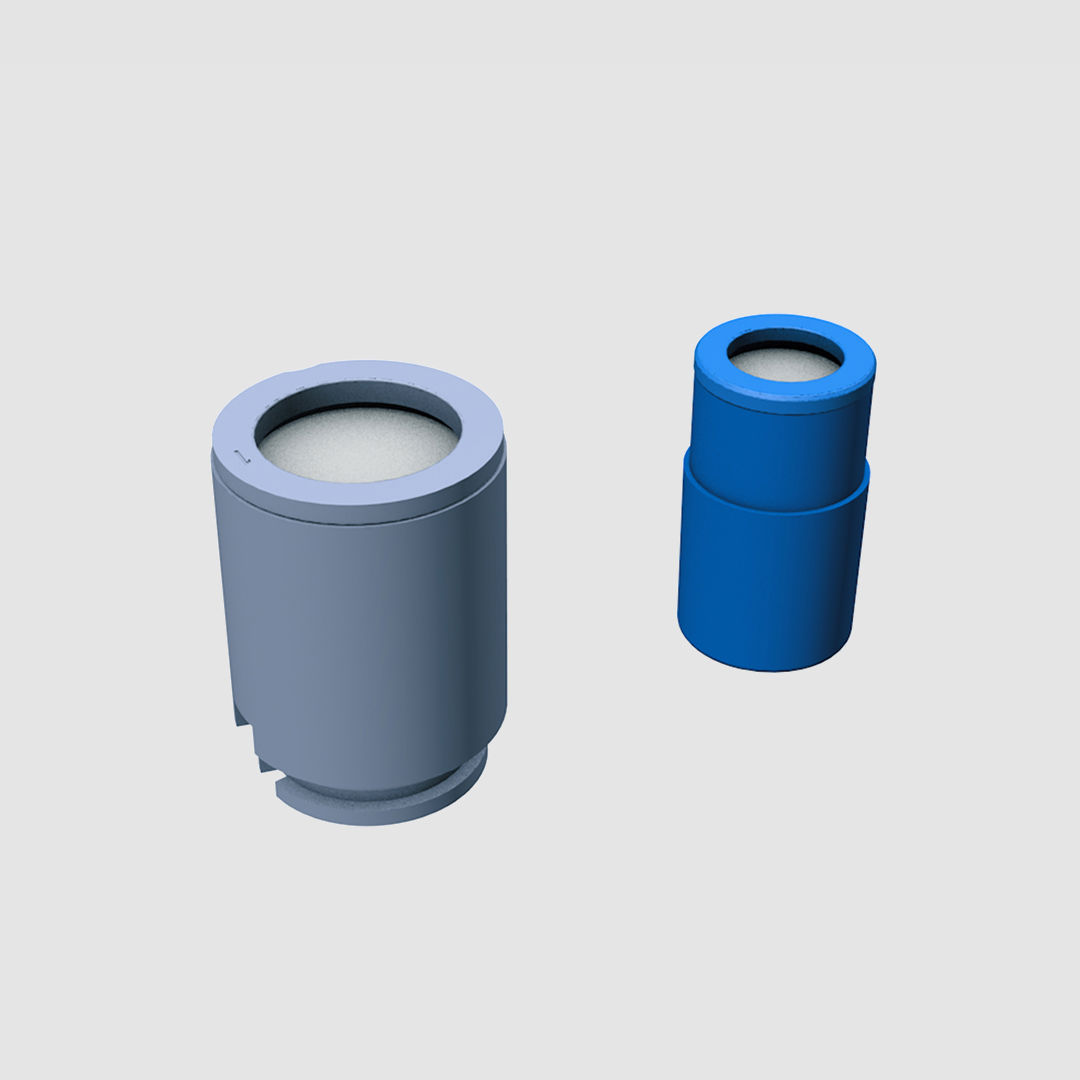
MicroCat Catalyst
A self-limiting catalyst for VRLA cells that prevents premature capacity loss and negative plate self-discharge and reduces float current in hot climates.
Battery Technology: VRLA Battery
Forklift Trucks
Floor Scrubbers
Aerial Access
Golf Buggies

Marine