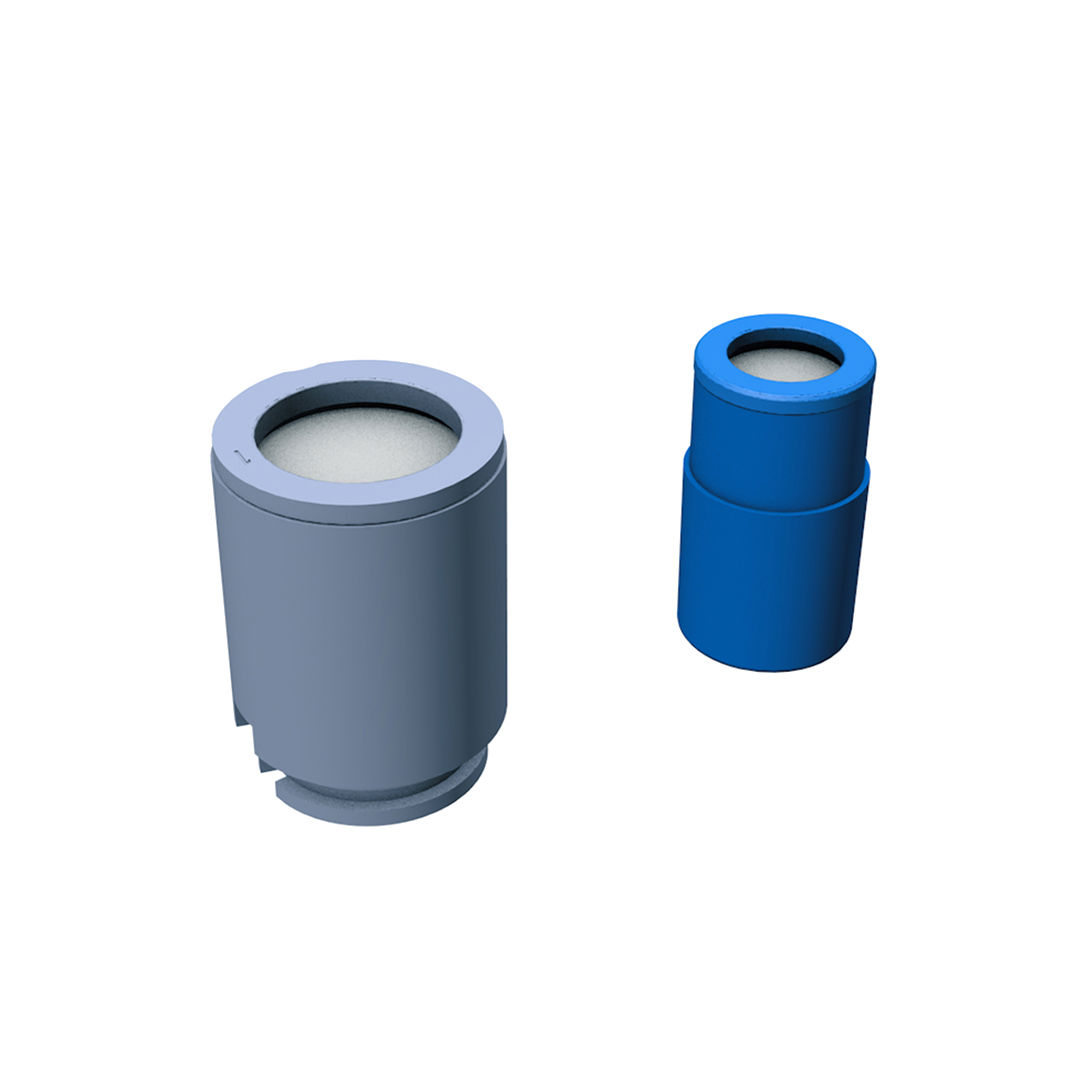
MICROCAT® CATALYSTS

The use of Microcat catalysts in lead-acid applications allows the use of less pure lead without degraded performance. The Microcat poison filter is formulated to prevent contamination from amines, stibines, arsines and hydrogen sulfide. Without poison filtration, catalysts will more rapidly decline in capacity and efficiency over time.

Battery Technology  |  VRLA Battery

Part no.  |  CTL-064, CTL-090

Significant Reduction in Float Current

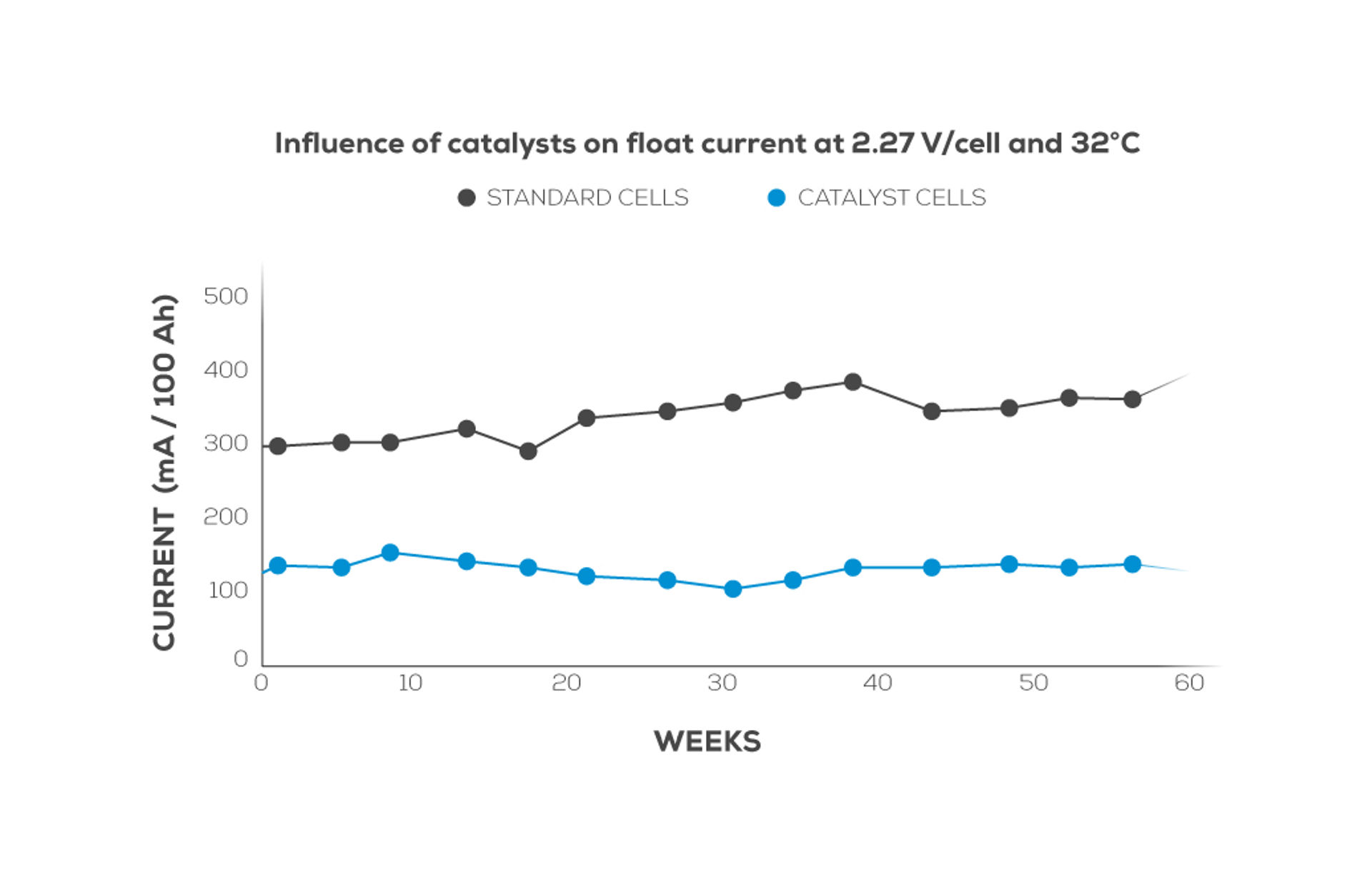
One of the most immediate benefits of the catalyst is a significant drop in float current, typically to half or less. This reduction occurs because the catalyst helps re-polarize the negative plate, preventing it from discharging due to excess oxygen. Less current being drawn by the cell means less energy wasted. This directly translates into energy savings and a crucial reduction in cell heating, easing the burden on cooling HVAC systems and maintaining a cooler operating environment for all nearby electronics.

Extended Longevity

The Microcat Catalyst actively combats the primary causes of battery failure to increase the cell and battery life. By reducing the float current, it minimises positive plate corrosion and grid damage, which is the foundational limit of a lead-acid cell's design life. Furthermore, it helps maintain cell capacity by preventing negative plate depolarization, allowing the cell to pass capacity tests and remain healthy for longer consistently.

Enhanced Safety 

By efficiently recombining hydrogen and oxygen gases back into water inside the cell, the technology minimizes water loss, solving the predominant cause of customer dissatisfaction and failure, particularly with VRLA cells. This internal process not only preserves the electrolyte but also significantly reduces heating and current flow, minimizing the risk of thermal runaway, a critical safety feature that ensures the long-term reliability of your reserve power system.
Performance Data

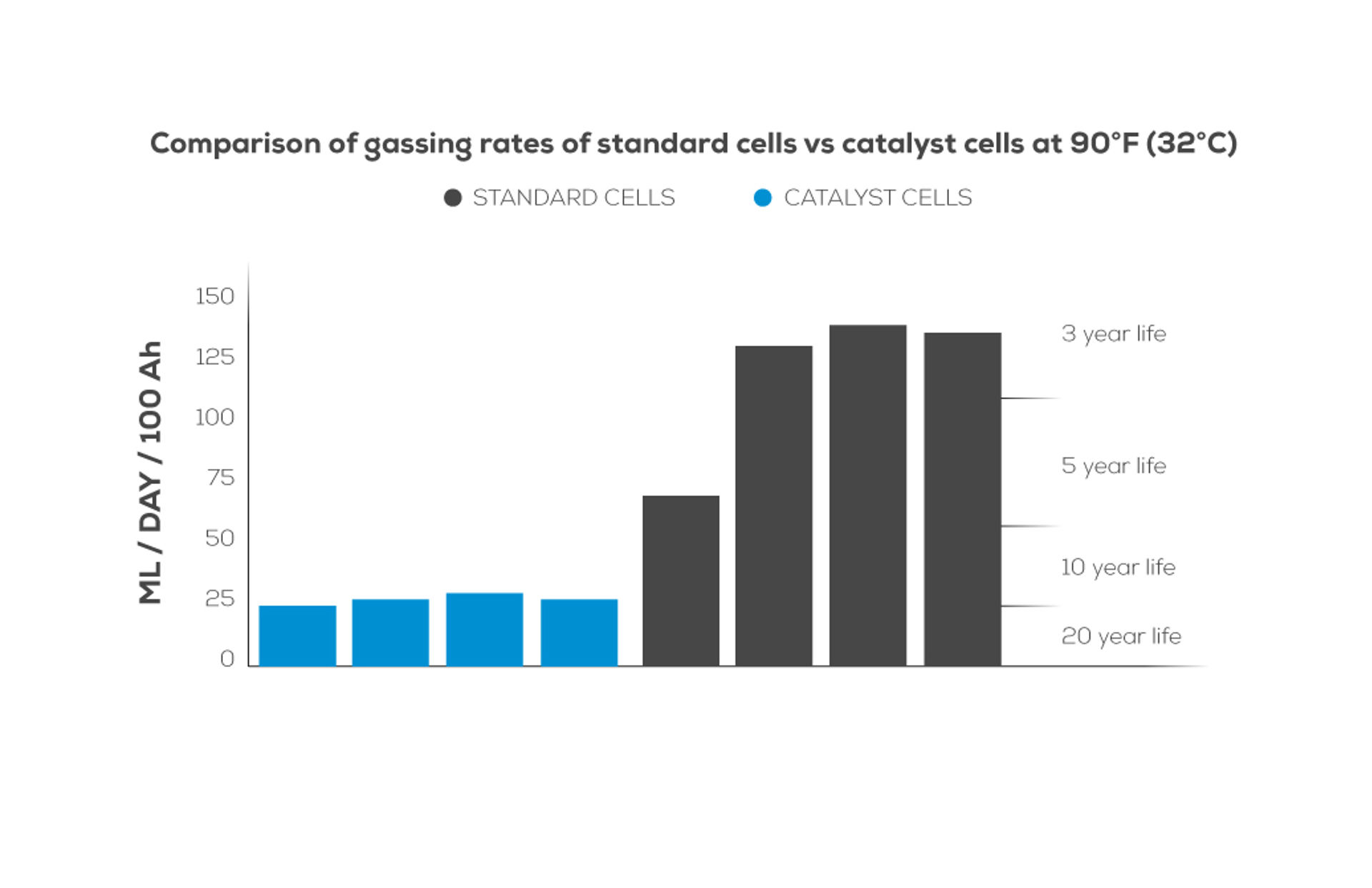
Premium quality cells show marked performance differences when tested on float in our labs, as the following graphs show:

Figure 1. Influence of catalysts on float current at 2.27 V/cell and 90°F (32°C).

Figure 2. Comparison of gassing rates of standard cells versus catalyst cells at 90°F (32°C), showing an increase in theoretical service life.

Why MicroCat Catalyst

Reduced Float Current

A Microcat catalyst provides an immediate and observable drop in the float current, leading to a reduction in water loss, positive plate corrosion, cell temperature and energy usage and costs.

Longer Life

A cell installed with a catalyst will last up to 40% longer.

Improved Cell

A Microcat can lead to significant capacity increases.

Increased Profitability

Money which would have been spent on replacing or repairing batteries can be invested more profitably elsewhere.
Benefits

Microcat Catalysts

Reduction in Float Current
Increased Cell & Battery Life
Minimized Water Loss
Maintained Cell Capacity
Minimized Positive Plate Corrosion
Reduced Cell Heating
Reduced Risk of Thermal Runaway
Energy Savings

MicroCat Model Options

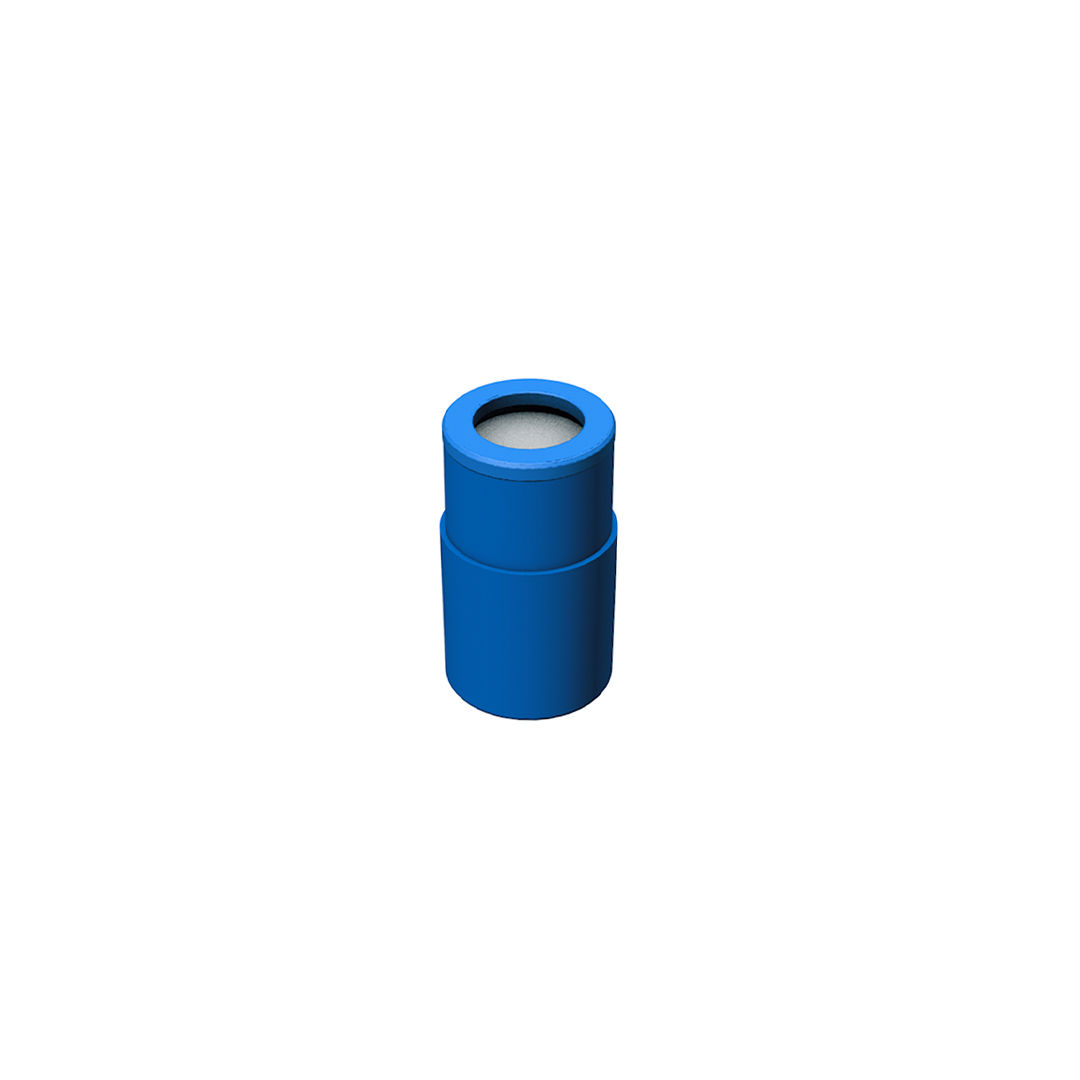
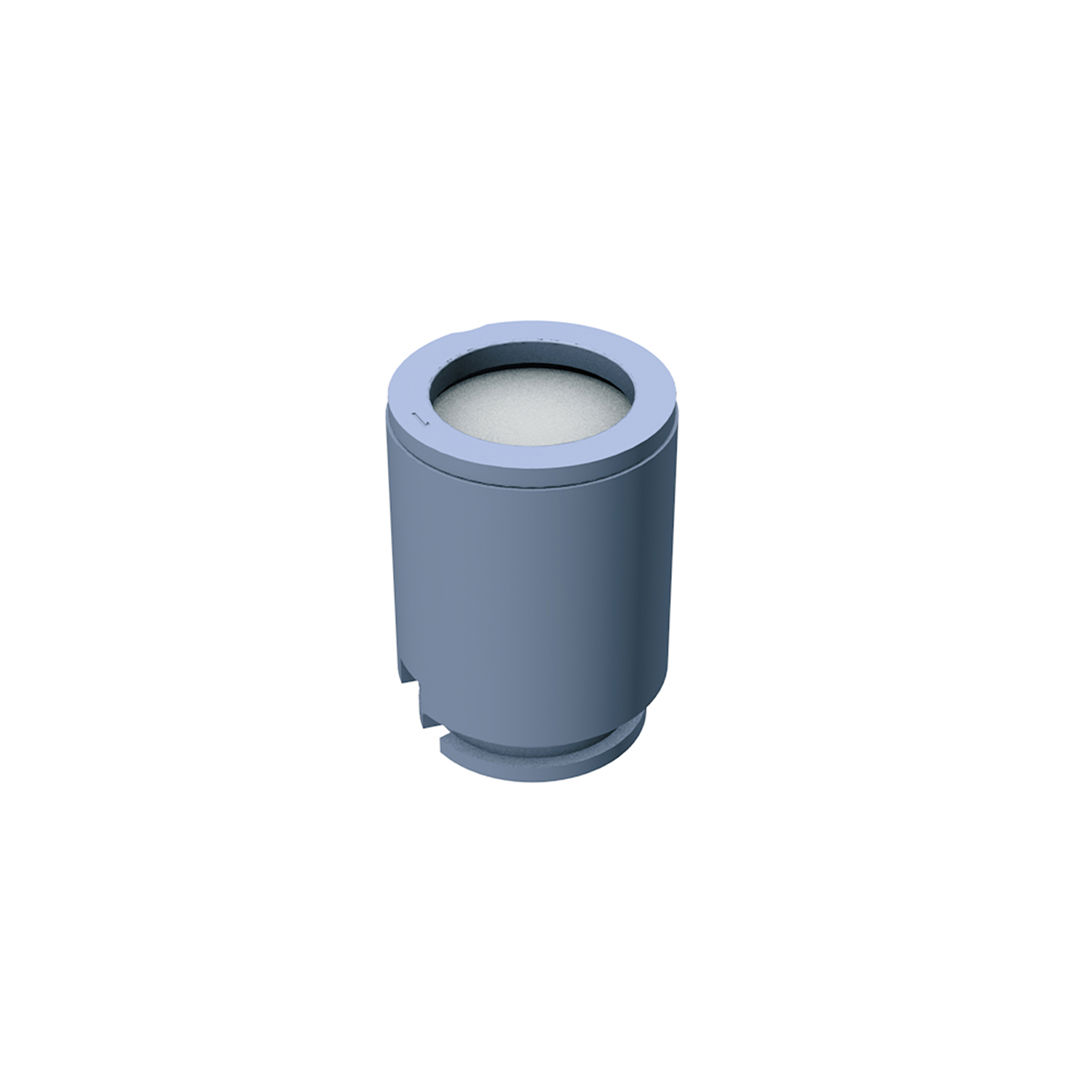
MicroCat for VRLA Block Batteries

Dimensions | 10.5mm (Diameter), 18mm (Height)
Colour | Blue
Attachment | Cover Mounted & Drop-In
Part no. | CTL-064

MicroCat for 2V VRLA

Dimensions | 15mm (Diameter), 20mm (Height)
Colour | Natural
Attachment | ClickFIT & Drop-in
Part no. | CTL-090

Technical Specifications

Recombination Rating

17.1 +/- 5.7 cc/min H2 & O2

Max Internal Temperature

93°C  /  200°F

Max External Temperature

260°C  /  500°F

Body Materials

Non-Hygroscopic, High-Impact & High-Temperature Polymer

Typical Positive Polarization Shift

+30 mV

Typical Negative Polarization Shift

-30 mV

Dimensions

CTL-064
Diameter: 10.7 mm  /  0.4 in
Height Above Vent: 18.3 mm  /  0.7 in

CTL-090
Diameter: 14.73 mm  /  0.58 in
Height Above Vent: 18.21 mm  /  0.72 in

Reference papers

Lead Purity: The Mother of All VRLA Problems - 2010 Battcon paper

The paper discusses the fundamental problem in VRLA batteries of using impure/recycled lead. Catalysts can solve this problem by accommodating the excess internal gassing caused by the impure lead...Read More

Monobloc Batteries, High Temperatures & Catalysts - 2006 Battcon Paper

Outside plant and other high ambient temperature applications are dramatically reducing the life of 12V monobloc batteries. The use of an internal catalyst is discussed to increase the life and help mitigate the detrimental effects of this temperature...Read More

A Case Study: Four Years of Test Data - Infobatt 2004 paper

This presentation offers the results of rehydration and catalyst addition to a 48 volt, VRLA battery string. Data was accumulated over 4 years with a verification of performance during the August 2003 blackout. Click here for presentation...Read More

Advances in the Design and Application of Catalysts

This paper discusses advanced in the design of the internal catalyst for batteries. One area of focus is the development and design of a catalyst that can accommodate hydrogen sulfide. This gas is normally found within the lead-acid system, and can be a poison to catalysts. Click here for presentation...Read More

Catalyst 201: Catalysts and Poisons from the Battery

This paper presents the early discovery of hydrogen sulfide within the lead-acid battery. Long term tests to confirm this discovery as well as a preliminary design to prevent this gas from poisoning the catalyst are presented...Read More

Catalysts 101: The Basics of using Catalysts in VRLA cells

This paper summaries five (5) years of focused work on catalyst function and operation within a battery system. Polarizations of the electrodes are discussed and the demonstrated improvements from internal catalysts...Read More

Hydrogen Sulfide in VRLA Cells

This paper presents the initial work regarding hydrogen sulfide generation within the lead-acid battery system. The creation and absorption of this gas within the battery is discussed in the context of a 'hydrogen sulfide cycle'...Read More

Quantifying Secondary Reactions in VRLA Batteries

This paper discusses the impurities found in lead-acid battery materials, and how these impurities can affect negative plate discharge, and discusses cell balancing necessary for long-life, VRLA battery design...Read More

Balanced Float Charging of VRLA Batteries by Means of Catalysts

This paper discusses the internal oxygen cycle within the lead-acid battery system and the relationship between electrode polarization, recombination efficiency and the role of the catalyst in this scenario...Read More

Can VRLA Batteries Last 20 years?

This paper provides experimental data on the discharging of the negative plate during steady-state float charging, per the manufacturer's recommendations. The positive effects of an internal catalyst are presented in terms of extending the life of VRLA batteries...Read More

Correcting Inherent Imbalance and Consequent Failure of VRLA

Experimental data is presented to reveal how chemical imbalance within the VRLA battery system can shorted life through negative plate discharge and water loss...Read More

Gas Evolution, Dryout, and Lifetime of VRLA Batteries - An Attemin' to Clarify Fifteen Years of Confusion and Misunderstanding

This paper presents a summary of experimental data and studies that confirm the vulnerability of VRLA batteries to shortened lifetimes through unplanned water loss...Read More

Behavior of VRLA cells on Long Term Float: Part 2

Experimental laboratory data is presented that compared the operation of VRLA batteries both with and without an internal catalyst. A confirmation of the benefits of catalysts is presented...Read More

Float Behavior of VRLA Cells: Theory v.s. Reality

Experimental data on 20 year design life VRLA batteries is presented with a focus on the water consumption during normal operation. A discussion of the internal chemical operation is presented....Read More

Connect with Our Solutions Team

Phone Number

215-616-0390

Email Address

info@phlsci.com

Office Location

207 Progress Drive
Montgomeryville, PA 18936
USA